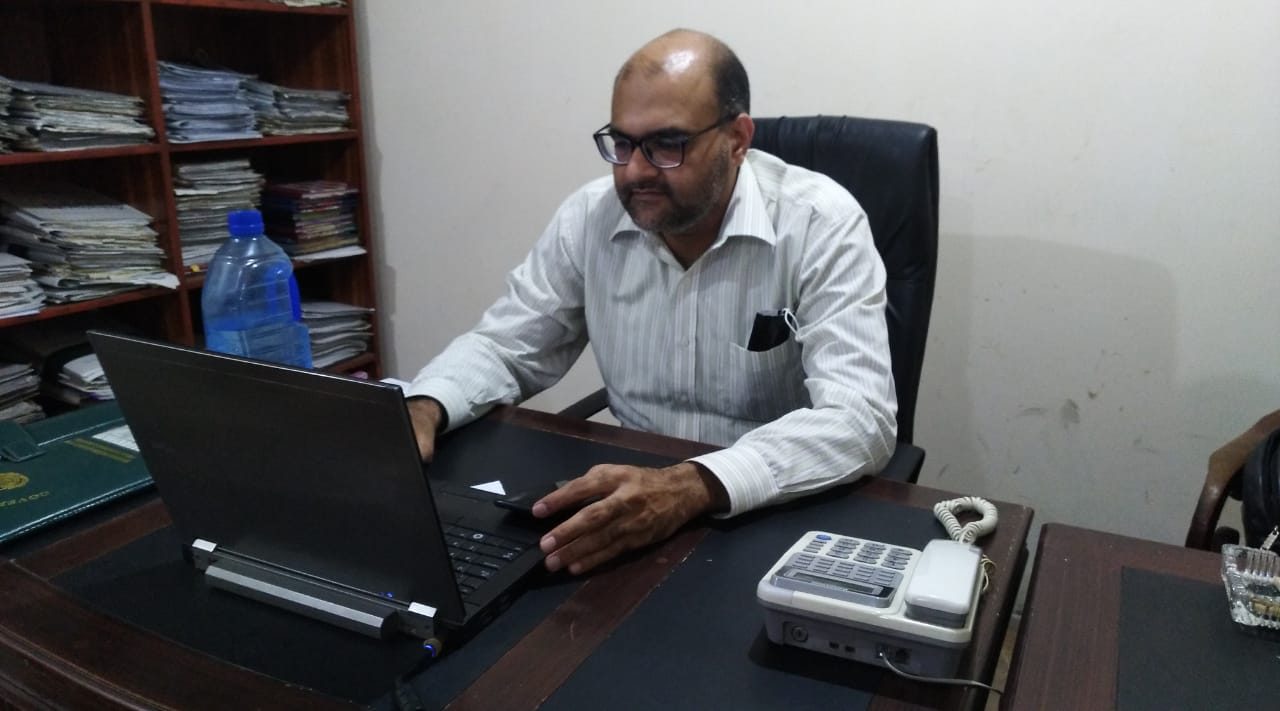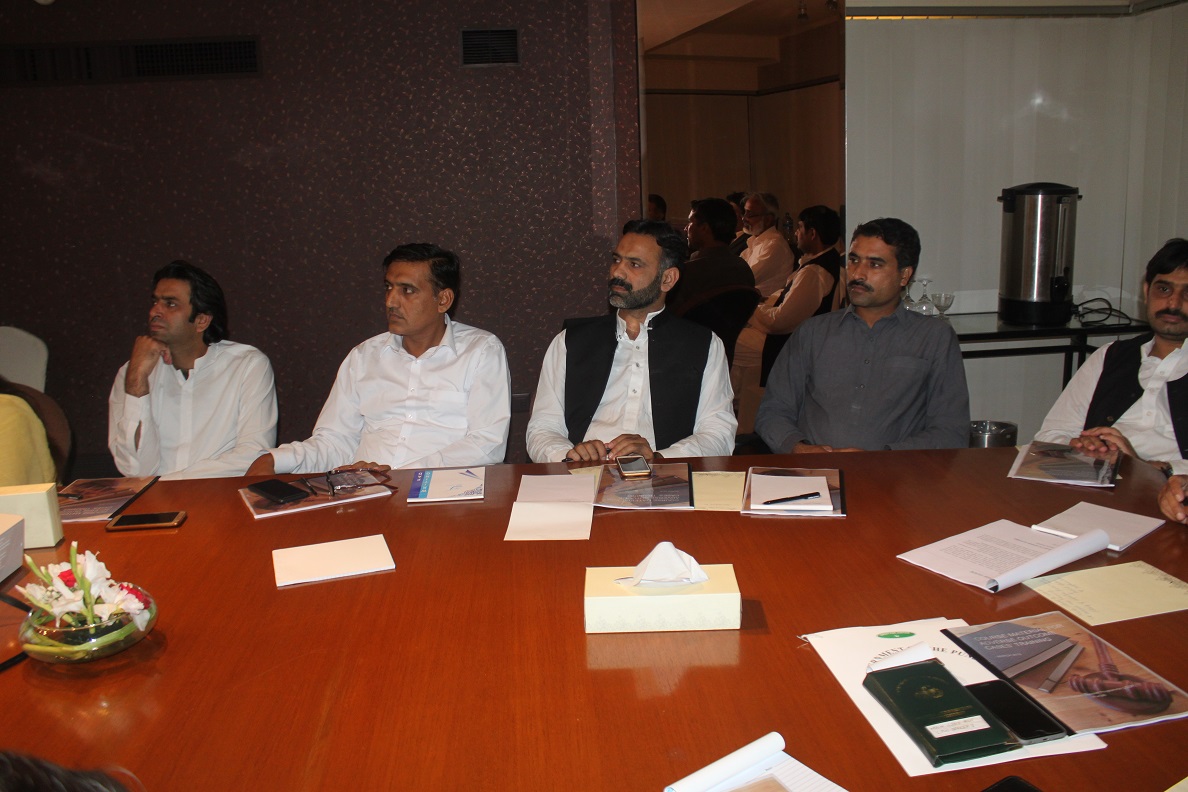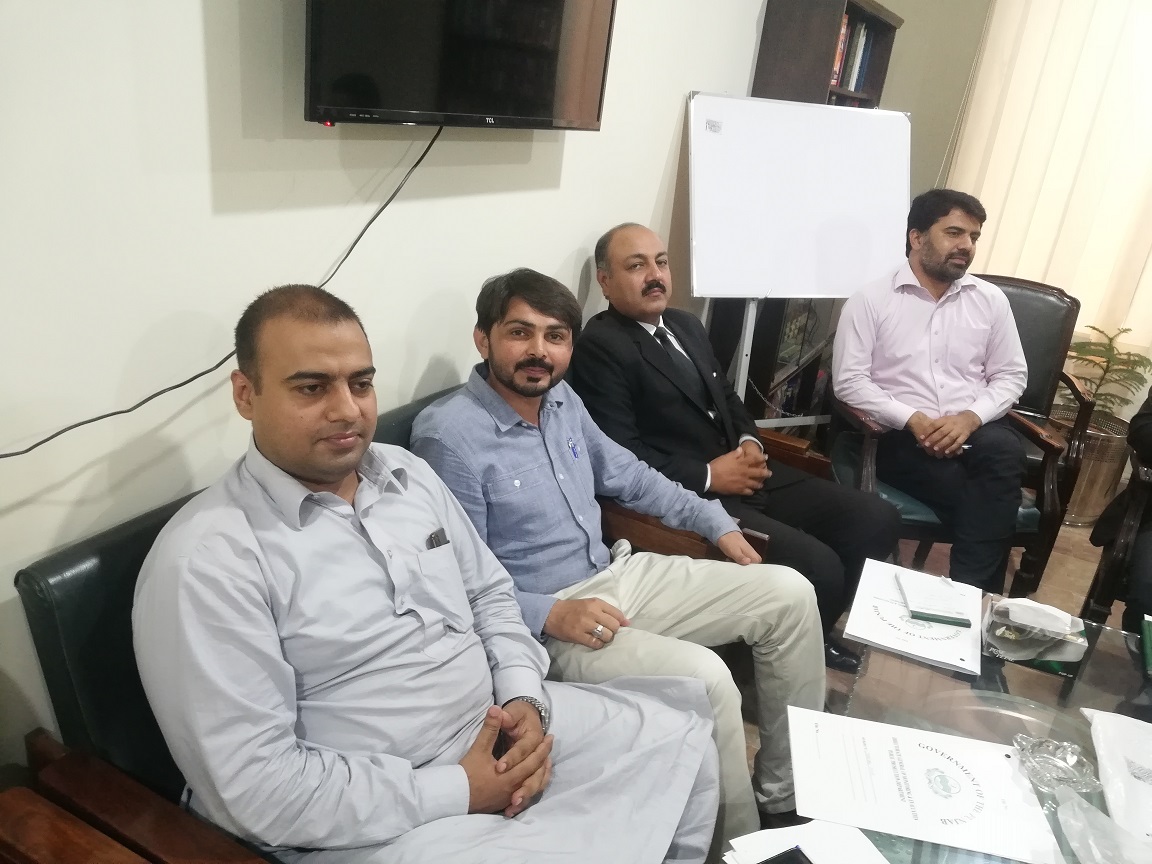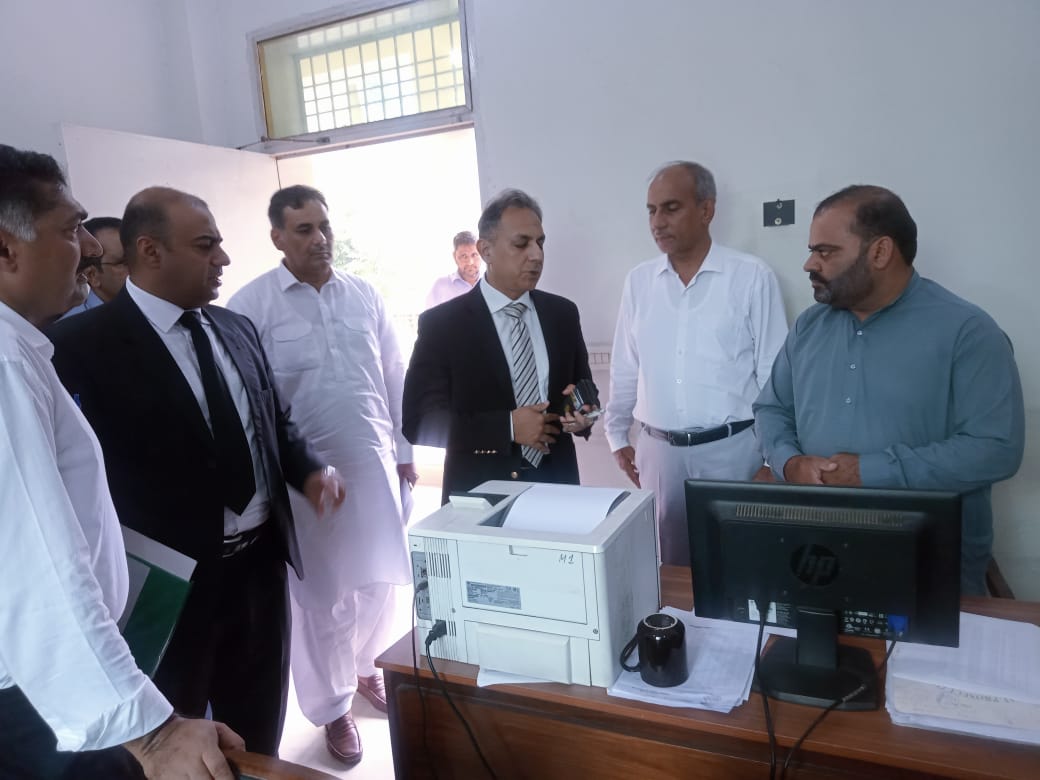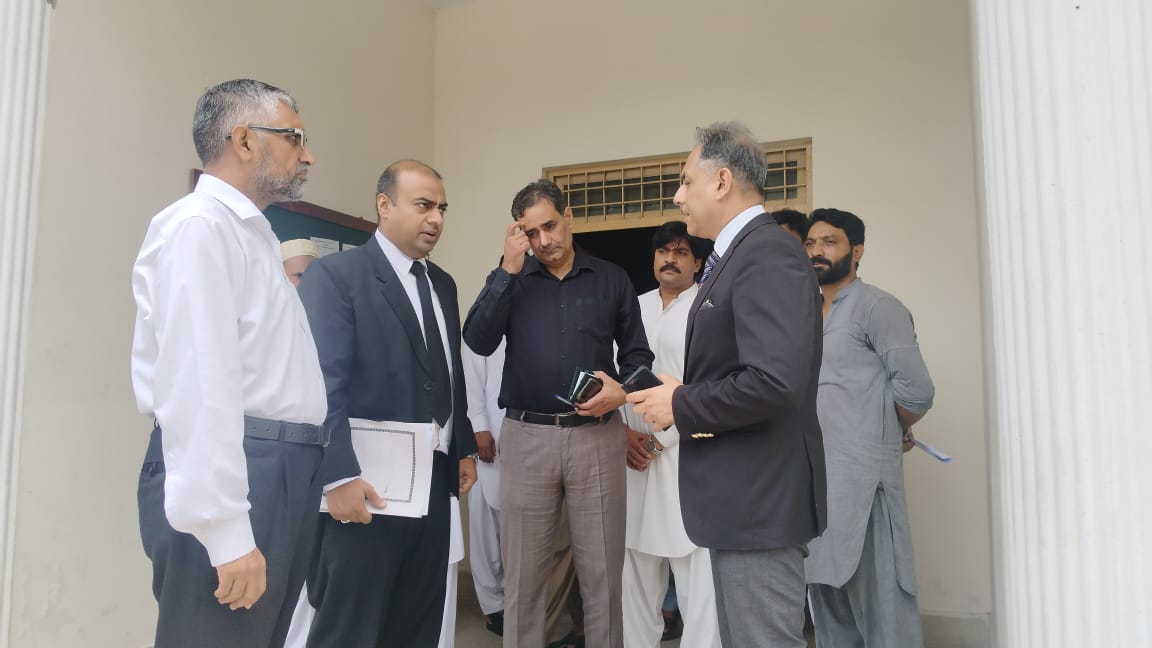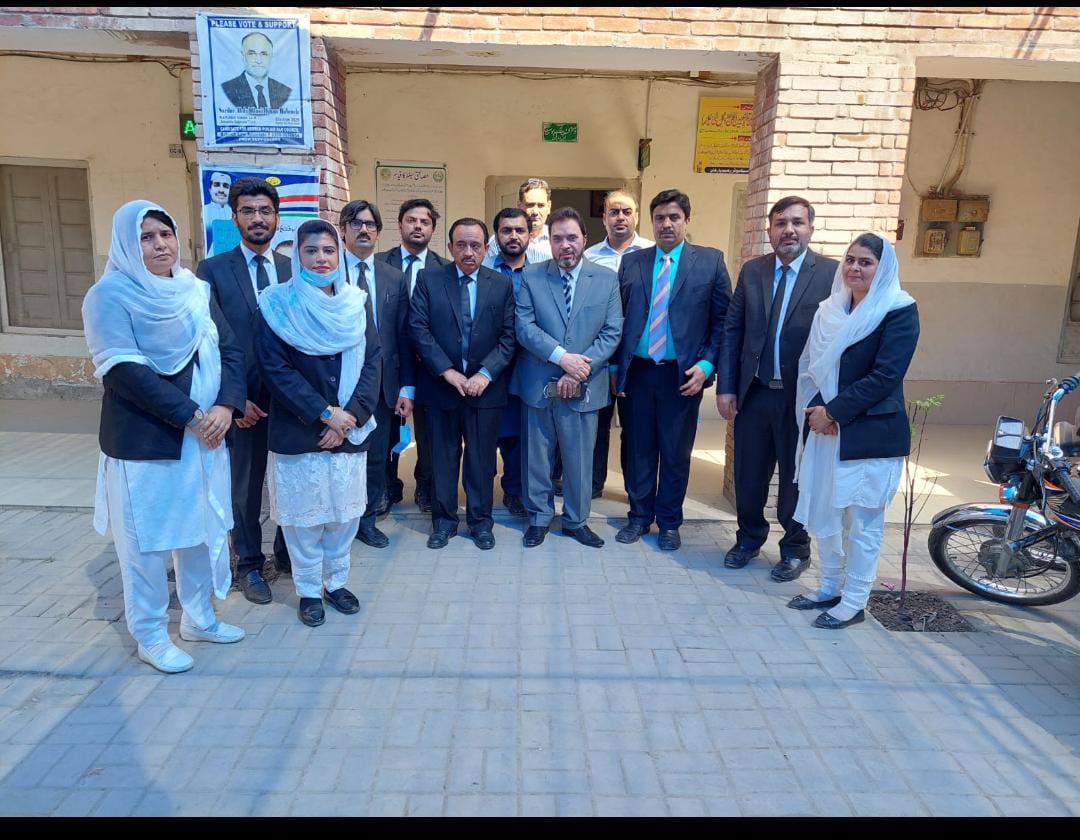


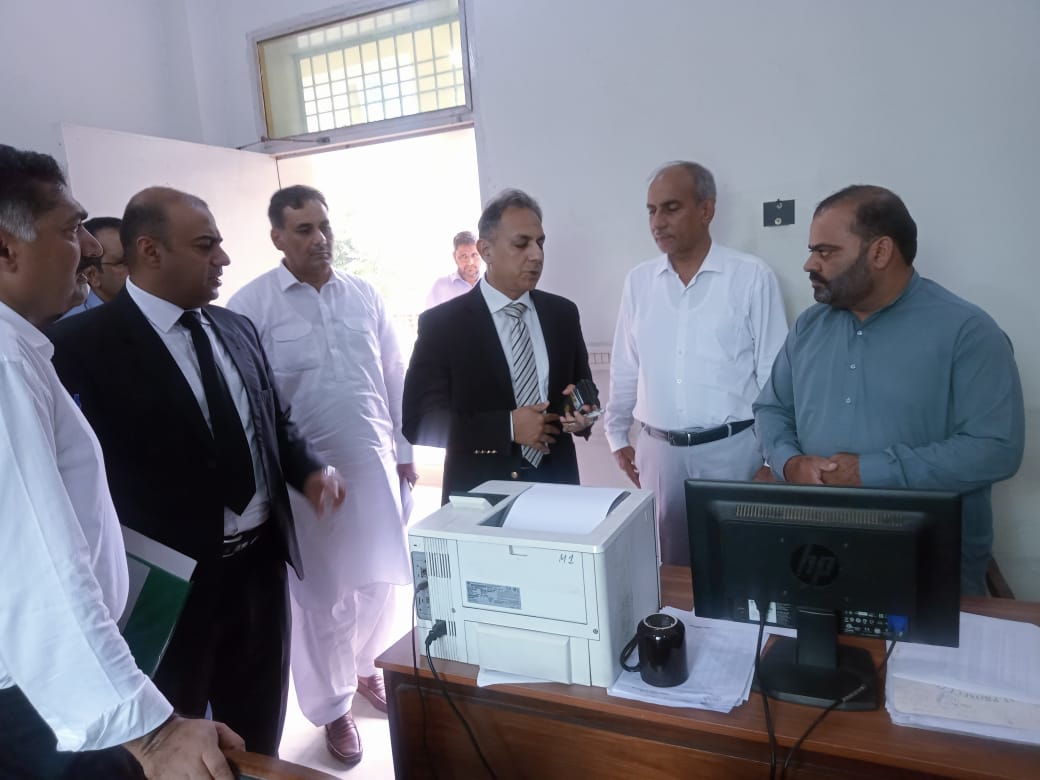
The PCPSI conducts inspections and monitor performance of all the field formations working under the Public Prosecution Department. It may also provide its expertise of inspection to other departments on request.
Inspections

- Administration, control and supervision of the Service
- Conduct of prosecution
- Distribution of work
- Issuance of Guidelines
- Referring the disciplinary matters to the Administrative Department
- Withdrawal from prosecution
- Submission of Annual Report
- Filing of appeals
- Referring revision

- Administration, control and supervision of District(s)
- Conduct of prosecution
- Distribution of work
- Referring matters to Competent Authority for disciplinary proceedings
- Withdrawal from prosecution
- Receiving of FIRs
- Filing Appeals
- Referring revisions
- Act as member Criminal Justice Coordination Committee
- Compliance of Departmental instructions issued time to time
- Informing head of Investigation & PGP for appropriate actions
- Meeting with Jail Superintendents
- Conduct of prosecution (pre-trial, trial and post-trial stages)
- Withdrawal from prosecution
- Filing of appeals
- Referring revisions
- Making entries into CFMS
- Reporting to DPP
- Supervision of the ministerial staff attached with him
- Ensure preparation of record by the ministerial staff
- Other duties assigned

The Inspectorate conducts scheduled, thematic and surprise and special inspections.
Scheduled Inspections
Scheduled Inspections are carried out in accordance with an Annual Inspection Schedule issued at the start of every year covering the whole year's inspection activitives of the Inspectorate.

The Inspectorate conducts scheduled, thematic and surprise and special inspections.
Surprise Inspections are conducted without prior intimation to the office concerned. The primary objective of such unannounced visits is to verify the attendance of prosecutors and to assess the actual state of prosecutorial affairs at the field formations in their unaltered and routine operational condition.
The Inspectorate conducts scheduled, thematic and surprise and special inspections.
Thematic Inspections
Thematic Inspections are conducted by the Inspectorate based on a specific area of concern or emerging trend in criminal justice, focusing on a particular theme such as a category of offenses or prosecutorial outcomes. Initially, relevant data is extracted from the Case Flow Management System (CFMS) to identify patterns, including rising trends in specific types of crime or case registrations. Supplementary data and case record are then obtained from the concerned field offices. A comprehensive analysis and perusal of the available record is carried out to examine the underlying causes contributing to acquittals in the targeted offense category. The inspection specifically identifies and documents deficiencies in the investigation process, lapses in the performance of prosecutors, and any pertinent judicial observations or contributory factors from the courts. Based on these findings, a detailed Inspection Report is prepared, highlighting systemic weaknesses and recommending targeted remedial measures. The final report, containing reasoned observations and actionable suggestions, is submitted to the Public Prosecution Department (PPD) to facilitate strategic interventions aimed at curbing the rising tendency of such cases and enhancing prosecutorial effectiveness.
The Inspectorate conducts scheduled, thematic and surprise and special inspections.
Special Inspections
Special Inspections are conducted by the Inspectorate as and when required by the Department relating to any special activity.
- Phase 1: Issuance of Annual Inspection Schedule
- Phase 2: Preparation Phase
- Phase 3: Physical Inspection
- Phase 4: Perusal and Draft Report Preparation
- Phase 5: Sharing of Draft Report for Comments
- Phase 6: Finalization of Inspection Report

The inspection process of the Punjab Criminal Prosecution Service Inspectorate (PCPSI) is designed to ensure transparency, accountability, performance evaluation, and continuous improvement across all field formations of the Public Prosecution Department. The process follows a systematic and phased methodology from planning to final reporting.
Phase 1: Issuance of Annual Inspection Schedule
At the beginning of each calendar year, PCPSI issues an Annual Inspection Schedule that includes:
- A comprehensive list of all field formations to be inspected during the year.
- Tentative inspection dates for each field formation.
- Designated inspection teams for each assignment.
- This schedule provides clarity, enables timely preparations, and ensures uniform coverage across all the field formations

Phase 2: Preparation Phase
- Before each scheduled inspection, the designated Inspection Team enters a preparatory stage which includes: Collecting relevant data from the Case Flow Management System (CFMS).
- Reviewing past inspection reports, case pendency records, and performance indicators.
- Preparing checklists and inspection tools tailored to the specific field formation.
- This phase ensures the inspection team is well-informed and focused on areas of concern.
Phase 3: Physical Inspection
On the scheduled date, the inspection team conducts an on-site (physical) inspection, which involves:
- Visiting the field formation office in person.
- Reviewing case files, registers, duty rosters, and other relevant records.
- Holding discussions with prosecutors and administrative staff.
- Collecting physical and digital documentation necessary for review.
- This hands-on process ensures factual accuracy and first-hand assessment of operational realities.
Phase 4: Perusal and Draft Report Preparation
After the field visit, the inspection team conducts a thorough examination of the collected material, which includes:
- Analyzing documentation and data for performance, compliance, and procedural accuracy.
- Identifying systemic issues, administrative lapses, and best practices.
- Drafting the Inspection Report, which includes observations, findings, and preliminary observations.
Phase 5: Sharing of Draft Report for Comments
The Draft Inspection Report is formally shared with the Inspected Office to ensure transparency and to provide an opportunity for clarification. During this phase:
- The office is invited to review the draft.
- Comments, justifications, and counterpoints are sought within a specified timeframe.
- Additional documentation, if any, may be submitted by the inspected office in support of their comments.
- This phase supports fairness, objectivity, and stakeholder engagement.
Phase 6: Finalization of Inspection Report
After reviewing the comments received from the inspected office, the Final Inspection Report is prepared. This includes:
- Incorporating relevant responses or rebuttals from the inspected office.
- Revising observations where justified.
- Formulating well-reasoned, actionable recommendations based on evidence and analysis.
- The final report is then formally forwarded to the Public Prosecution Department for appropriate administrative or corrective action.
The PCPSI inspection methodology is a structured and evidence-driven process that emphasizes fairness, transparency, and continuous improvement. It ensures that all field formations operate efficiently, comply with procedural standards, and contribute effectively to the goals of justice delivery.